

Let’s Get Strong for Ski and Snowboard Season
Thanksgiving is just around the corner, and here in Breckenridge, CO, that means our skiers and snowboarders are starting to prepare for long days on the mountain! As you pull out your gear and start planning your first day out, take some time to think about how you want to prepare your body for the season, too.
As fun as winter sports can be, they have a high physical demand. Without adequate preparation, you might not see the performance you want–and you also increase your risk of fatigue and injuries.
Fortunately, Breckenridge Physical Therapy’s strength and conditioning programs can help get your body in skiing shape just in time for winter.
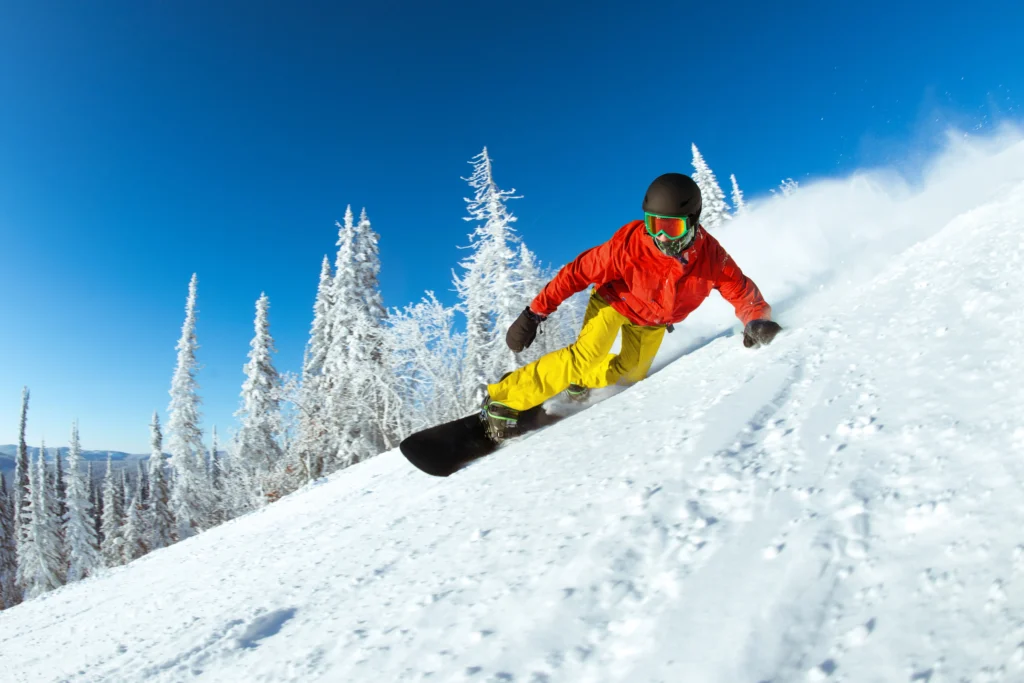
Hitting the Slopes? Why Strength and Conditioning Matters
Skiing and snowboarding challenge nearly every muscle group: Your legs absorb repeated force. Your core stabilizes your body on uneven terrain. Your upper body helps maintain balance and manage poles.
It’s no surprise that these sports require a blend of strength, endurance, balance, and agility. So even if you excel in one area, you may be deficient in another. A good conditioning program identifies these areas of strength and weakness to develop a plan that addresses your specific needs. As a result, you’ll see plenty of benefits, including:
- Good overall health and resilience so you can recover more efficiently if an injury does occur.
- Reduced risk of joint injuries thanks to stronger muscles around the knees, hips, and ankles.
- Enhanced cardiovascular endurance that lets you stay out longer without fatigue.
- Improved reaction time so you can quickly adapt to changing terrain.

Our Patients Get Great Results
“I have been going to Ellie at Breck PT for four months, and it has made a big difference in my life! My issue(s) were based on chronic pain and past injuries, not a new catastrophic incident. I wasn’t sure what to expect or what gains to realize. My therapist set me on the right path immediately while continuing to understand my situation holistically. I now feel equipped with a plan and I am stronger already. When I arrived, I wondered if my future was limited to reduced activities and more pain. Today I am optimistic about the adventures and pursuits that lie ahead.”
– A.F.
What You Need to Know About Our Strength and Conditioning Program
Key Areas We Focus On
- Lower Body Strength: Squats, lunges, step-ups, and targeted resistance training build strong quads, hamstrings, and glutes, which absorb impact and generate power on the slopes.
- Core Stability: Functional exercises such as planks, rotational lifts, and stability ball drills improve total body control as you maneuver around obstacles.
- Balance and Proprioception: Balance boards, single-leg exercises, and neuromuscular drills train your body to stay steady no matter what you’re doing, reducing falls and improving control.
- Plyometric Training: Plyometrics build explosive power, a necessity for navigating quick changes in direction and absorbing repeated shocks to the body.
- Mobility: Dynamic stretching and mobility drills keep joints moving freely, reducing stiffness and allowing for safer, deeper turns.
- Endurance Conditioning: Interval training, cycling, or circuit work improves aerobic and anaerobic capacity so you can keep your energy high on long runs.
Exercise of the Month: Calf Raises
Stand tall with your feet hip-width apart and your hands resting on a chair or countertop for support. Slowly rise up onto the balls of your feet, lifting your heels off the ground. Hold briefly at the top, then lower back down with control.
3 Sets, 10 Reps. (Materials needed: chair or countertop for balance)
What Makes Our Program Different
All of Breckenridge Physical Therapy’s strength and conditioning programs are guided by licensed physical therapists who understand the unique demands of skiing and snowboarding. We work closely with you to develop a personalized plan tailored to your fitness level, injury history, and overall goals.
Furthermore, we can incorporate physical therapy techniques into your program as needed. For example, we might recommend cupping therapy to reduce soreness and improve muscle recovery or utilize blood flow restriction training to help you build strength without using heavy weights.
We also provide one-on-one attention. You’ll receive guidance on correct form, progression, and modifications, ensuring every exercise builds your capacity safely and effectively.
How to Make the Most of Your Conditioning Program
- Start early: Conditioning properly takes time, and the best time to start is now. A head start will give your muscles, joints, and nervous system time to adapt before the first trail opens.
- Focus on functional training: When designing an exercise program, select movements that mimic skiing and snowboarding demands over training your muscles in isolation.
- Seek professional guidance: Working with the team at Breckenridge Physical Therapy ensures your program addresses your specific weak areas while avoiding overtraining. Our comprehensive evaluation will let you know exactly what you need to work on.
Give Us a Call Before You Hit the Slopes
Breckenridge Physical Therapy is here to prepare you for your snow sport of choice. Our strength and conditioning programs are built to keep you moving well so you maximize your time on the mountain. Whether you want to sharpen your performance, prevent injuries, or simply make sure you’re in the best shape possible for the season, our team can help. Schedule an appointment today to get started.
Meet Our Team

Dr. Alexander Kuck
PT, DPT, C-PS
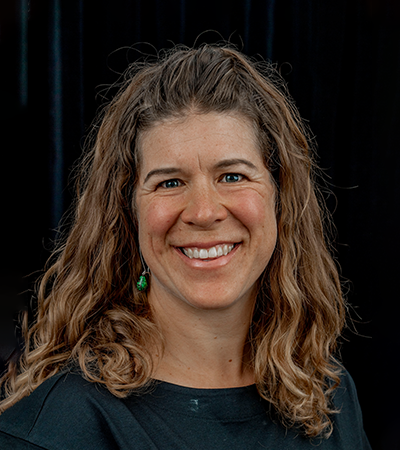
Dr. Ellie Allan
PT, DPT, C-PS
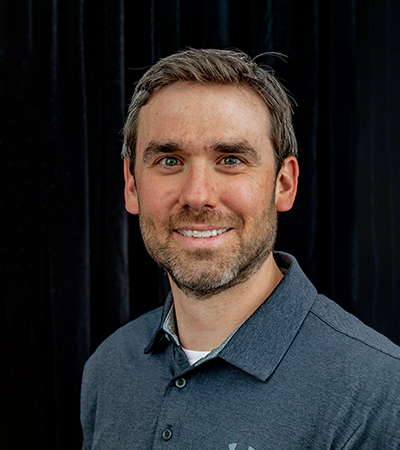
Dr. Justin Welch
PT, DPT, C-PS
Hosting Thanksgiving Dinner?
Manage Stress with These Tips

We love Thanksgiving at Breckenridge Physical Therapy. It’s a time to gather with friends and family, enjoy a great meal, and give thanks for all of the year’s blessings. But we also know the big day can be stressful—especially if you’re hosting.
Here are a few simple tips to stay happy and healthy this Thanksgiving:
- Try some deep breathing exercises. In the thick of cooking five different side dishes and feeling overwhelmed? Try box breathing, a simple technique in which you slowly breathe in and out for 3-4 counts.
- Fix a balanced plate. Rather than stressing about overindulging, just make sure to add some green veggies to your plate alongside the cornbread stuffing and fried turkey.
- Don’t forget your post-meal walk. If you prepped dinner, let someone else take care of the dishes while you take a relaxing stroll around the neighborhood. Relax–you earned it!
Recipe of the Month: Pumpkin Harvest Pasta

Ingredients:
- 1 lb package of pasta of your choice
- 1/3 cup pasta water
- 2 tbsp. olive oil
- 2 tbsp. butter sub for more olive oil for a vegan version
- 3 gloves of garlic minced
- 1 shallot minced
- 1 tbsp. fresh sage chopped
- 1 cup butternut squash cubed
- 1 cup low-sodium vegetable broth
- 2/3 cup pumpkin puree
- 1 tsp. tomato paste
- 1/2 of a 15 oz. can of fire roasted tomatoes
- 1/2 tsp. salt
- 1/4 tsp. pepper
- 1/4 tsp. red pepper flakes
- 1/4 tsp. allspice
- 1/8 tsp. pumpkin pie spice or cinnamon
- 1/3 cup oat milk
- 1/3 cup grated parmesan cheese + extra for sprinkling on top
- 2 cups fresh spinach
Instructions:
- Cook pasta according to package directions. When draining reserve 1/3 cup of the water to use later in this recipe.
- Mince the garlic, and shallot. Add olive oil, butter (if using) and garlic and shallot to a sauté pan. Stir and saute until fragrant. Add the fresh sage and butternut squash. If using frozen butternut squash sauté until it is no longer frozen.
- Next, add the vegetable broth, pumpkin puree, tomato paste and fire roasted tomatoes. Stir and turn the heat down to low to let simmer.
- Add salt, pepper, red pepper flakes, allspice and pumpkin spice. Stir together, cover and let simmer for 5-6 minutes. Add pasta water and let simmer for an additional 5 minutes.
- Remove from heat and carefully transfer the sauce into a blender. Add oat milk and parmesan cheese.
- Blend on high until you see that the sauce is well combined and not chunky.
- Pour sauce back into your pan, add pasta and fold in spinach over low heat.
- Remove from heat, portion and serve. I like it with extra grated parmesan cheese on top and fresh spinach!