


How Physical Therapy Resolves and Prevents Running-Related Injuries
June 2025 Newsletter
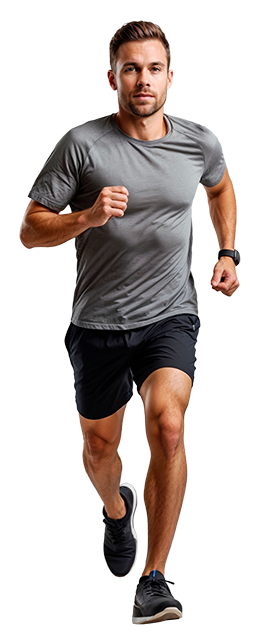
Are you a runner who has experienced pain or discomfort while running? Do you want to prevent future injuries and improve your running performance? Physical therapy at Breckenridge Physical Therapy can help!
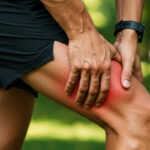
Various factors, including muscular weaknesses, improper technique, and poor footwear, can cause running-related injuries. As many as 50% of runners experience injuries yearly; the most common cause is having had an injury in the past year.
This information surprises some people, but it highlights how important it is to address your aches and pains so you can keep up your running. Fortunately, our team has extensive experience working with runners–especially outdoor runners–and can help you develop an individualized program to treat (and prevent) running-related injuries.
We do this by focusing on the underlying factors that can contribute to injuries, such as muscular imbalances or biomechanical issues. That way, you find lasting relief and stay on track with your running goals.
What Are The Most Common Causes of Running-Related Injuries?
Running is one of the most popular exercise methods, and for good reason: it’s a great way to improve physical, mental, and emotional well-being. Unfortunately, running can also lead to a high incidence of injuries.
Studies have shown that runners who experience a previous injury within the past 12 months are at the highest risk of sustaining another injury. Other risk factors include:
- Running experience of 0-2 years
- Restarting running after extended rest
- Overtraining (i.e., more than 40 miles per week)
- Gender (women recreational runners are associated with a greater risk of running-related injury)
The most common running-related conditions treated by our physical therapists include the following:
- Patellofemoral pain syndrome
- Plantar fasciitis
- Shin splints
- IT band syndrome
- Achilles tendonitis
- Stress fractures
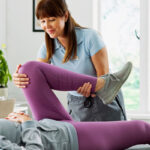
Fortunately, physical therapy at Breckenridge Physical Therapy can significantly reduce pain and improve function in individuals with running-related injuries.
Three Ways We Can Help You Avoid Injuries and Boost Your Performance
1. Build a Stronger Foundation with Strength and Balance Assessments
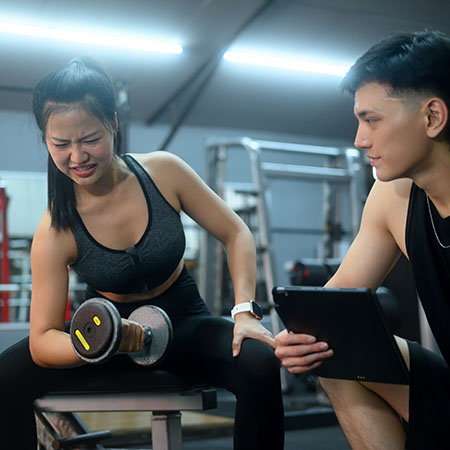
Running requires your muscles to work together in perfect balance. Weaknesses in your core, hips, or legs can cause poor movement patterns that increase joint stress. Our strength and balance assessments can identify areas where you lack stability or strength. We’ll then work with you to address these weaknesses with a targeted, customized experience program. This approach helps:
- Reduce the risk of hip and lower back pain
- Improve knee tracking to prevent runner’s knee
- Support better ankle stability to avoid sprains
In short, stronger muscles create a safer, more resilient runner.
2. Protect Your Joints With a Footwear Recommendation
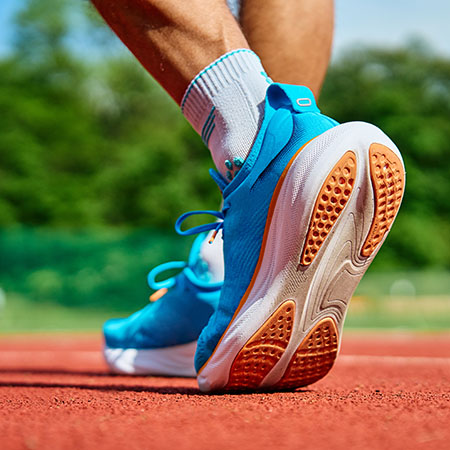
The wrong shoes can easily set you up for injury. Footwear that doesn’t match your foot type, running style, or training load can contribute to back pain, hip discomfort, knee issues, and heel pain. Fortunately, the right footwear provides proper support and cushioning, helping to absorb impact and prevent unnecessary strain on your joints.
While many athletic shoe stories advertise footwear assessments, you’re much better off getting an assessment from one of our physical therapists. We can evaluate your foot structure, running mechanics, and wear patterns to recommend the best shoe for your needs.
3. See Big Results by Optimizing Your Stride
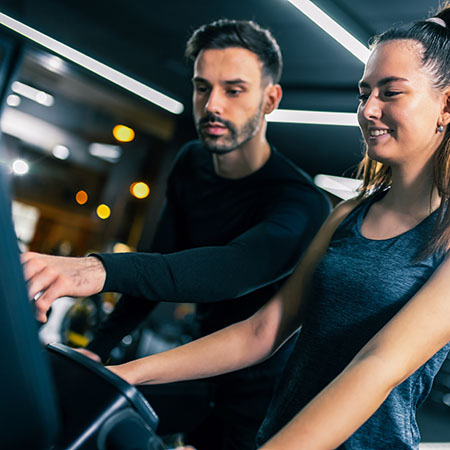
How you run matters just as much as how far you go. Our gait assessments closely examine your stride length, cadence (how many steps you take per minute), and overall mechanics.
You’d be surprised how small inefficiencies, such as overstriding or poor hip control, can cause extra stress on your lower back, hips, knees, and ankles. Fortunately, many of these inefficiencies only require minor adjustments to be corrected. With a few simple tweaks, you can:
- Increase your running efficiency
- Reduce pounding forces on your joints
- Minimize muscle imbalances that lead to injuries
Improving your stride will help you see better run times and make running easier and more enjoyable. That’s a win-win in our books!
Get Started By Scheduling an Initial Appointment Today
If there’s one thing we believe at Breckenridge Physical Therapy, it’s that running shouldn’t hurt. Whether you want to address current pain and prevent it before it starts, our team can help. We’ll work with you to maximize your training and ensure your body functions at its peak potential.
Request an appointment with one of our specialists today to learn how to achieve results!


Patient
Success Story
“I have been going to Ellie at Breck PT for four months, and it has made a big difference in my life! My issue(s) were based on chronic pain and past injuries, not a new catastrophic incident. I wasn’t sure what to expect or what gains to realize. My therapist set me on the right path immediately while continuing to understand my situation holistically. I now feel equipped with a plan and I am stronger already. When I arrived, I wondered if my future was limited to reduced activities and more pain. Today I am optimistic about the adventures and pursuits that lie ahead.”
—Anna F.

.
Feel Better by Eating Better!
Mango Lassi Smoothie
Bursting with flavor and protein, this mango lassi-inspired smoothie is your go-to fuel for a busy day. Made with sweet frozen mango, rich Greek-style yogurt, and nourishing hemp seeds, it’s a creamy, energizing blend that keeps you satisfied. Enjoy it as a quick breakfast, a post-workout pick-me-up, or a refreshing anytime snack.
Ingredients
- 1 pitted dried date
- 1 cup whole milk
- ¼ cup whole-milk plain strained (Greek-style) yogurt
- 1 cup frozen mango chunks
- ¼ teaspoon ground cardamom
- 1½ tablespoons hulled hemp seeds, divided
Place 1 date, 1 cup milk, ¼ cup yogurt, 1 cup frozen mango, ¼ teaspoon cardamom, and 1 tablespoon hemp seeds in a blender. Process until smooth, about 1 minute, stopping to scrape down sides as needed.
Pour the smoothie into a glass; top with the remaining ½ tablespoon hemp seeds.
Exercise of the Month
HEEL SLIDES LONG SIT
Sit with both legs extended on the floor. Slowly slide one heel toward your body, bending the knee while keeping the foot on the floor. Straighten the leg again and repeat to improve knee mobility.
If you are not sure about how to do this exercise, please consult with your physical therapist before starting.
Meet Our Team

Dr. Justin Welch
PT, DPT, C-PS

Dr. Ellie Allan
PT, DPT, C-PS

Dr. Alexander Kuck
PT, DPT, C-PS
Let’s Get You Better ASAP!
Don’t let pain dictate your life. Take the first step towards reclaiming your mobility and well-being with our expert support. Start your journey to a healthier you today.