

Don’t Let an Injury Leave You Stuck in the Ski Lodge
February 2025 Newsletter
If you’re like us, skiing is your passion – and Breckenridge offers some of the best slopes in the country. But when an injury sidelines you, recovery becomes a top priority. No matter what you’re dealing with, Breckenridge Physical Therapy is here to help you get back out on the peaks.
It’s probably no surprise that we have extensive experience addressing ski- and snowboard-related injuries. More than that, we can help you prevent skiing injuries to ensure one accident doesn’t put you permanently out of commission.
If you’ve recently suffered an injury on the slopes – or if you want to prevent one before it happens — schedule an appointment with us today.
Four Common Ski Injuries We See at Our Clinic
Skiing challenges your entire body, and injuries can range from mild strains to more serious conditions. Here are the most common injuries we see in skiers:
Knee Ligament Tears
Twisting falls or high-impact landings can damage knee ligaments (including your ACL or MCL). While severe tears typically require surgery, our team is here to help you rehabilitate afterward. And if you only suffered minor damage, physical therapy alone is often enough to help. In either case, we’ll help you restore knee stability, strength, and range of motion.
Shoulder Dislocations
Shoulder dislocations typically occur if you fall while stretching out your arm to catch yourself, forcing the upper arm bone out of the shoulder socket. Like a knee ligament tear, these injuries generally require immediate medical attention, but we offer comprehensive rehab to help you restore functionality and reduce your risk of re-injury.
Wrist Fractures
Sometimes, catching yourself after a fall leads to a wrist fracture rather than a dislocated shoulder. Again, physical therapy helps rebuild strength and improve mobility as you rehabilitate.
Overuse Injuries
In some cases, skiing injuries develop gradually rather than as the result of an accident. For example, poor form or muscular imbalances can leave you with lingering back or knee pain after a big day on the slopes. We’ll work with you to develop a personalized program to address the underlying cause of these injuries.
Rehabilitating with Physical Therapy: What to Expect
Our team will assess your injury and develop a personalized rehabilitation program to help you get back on your skis as safely and quickly as possible. Every program is different, but here are just a few of the techniques we might incorporate:
Manual Therapy
- Hands-on techniques improve joint mobility, reduce scar tissue, and relieve muscle tension. For example, trigger point therapy works out tight knots in the tissue to reduce pain and improve movement, while joint mobilization helps restore range of motion.
Dry Needling
- This technique involves using needles to release trigger points, helping to reduce pain and improve movement so you can focus on your rehabilitation.
Kinesio Taping
- Kinesio taping is another specialized technique that can be particularly effective for managing discomfort during injury rehabilitation. It involves applying specialized, flexible tape over the skin of the affected area to reduce pain.
Customized Therapeutic Exercises
- A personalized exercise program is the foundation of any rehabilitation plan. Strength and flexibility mobility target the muscles that support injured areas, helping to improve overall function. We can also work with you to improve your balance and proprioception (your body’s awareness of movement), which are particularly important for skiers.
The Final Step: Preventing Future Injuries
We understand that injury recovery is just the beginning. Staying injury-free also means addressing any muscle weaknesses, faulty biomechanics, or other issues that might have contributed to your injury in the first place.
As with our rehab programs, injury prevention is highly personalized. However, here are a few strategies we might suggest:
- Focused exercises to strengthen muscles around joints, especially your knees, hips, and shoulders, which endure the most impact during skiing
- Proper dynamic warm-up routines that prepare your muscles and joints for the demands of the slopes
- Advanced balance training drills, such as stability ball work, that mimic the uneven terrain of skiing, improving control and coordination
- Adjustments to your skiing form to help you avoid repeated stress on injured areas.
Stay Strong and Ski On
Injury doesn’t have to mean the end of your ski season. Breckenridge Physical Therapy is here to help you stay safe and injury-free all season long. Schedule an appointment with us today to get started!
Patient
Success Story
“Have been using Breckenridge Physical Therapy (as needed for chronic back issues ) for many years now. Very personable staff. Justin takes a lot of time to find out what is going on to specifically tailor the sessions to my needs. I love his techniques. The “homework” exercises he has given me for my back to do at home between sessions are extremely helpful. He took my pain from an 8 or 9 for the last six months (before I went in to see him), to a 2 in just two sessions. Highly recommend.”
—Ellen T.
4 Tips for Staying Safe and Preventing Injuries
We’re right in the thick of ski and snowboard season, and at Breckenridge Physical Therapy, we know this is an exciting time for many of our patients who love outdoor sports. Skiing and snowboarding are both great ways to get some serious exercise and enjoy the great outdoors – all while getting that adrenaline rush!
Breckenridge Physical Therapy wants to make sure our patients are safe while participating in their snowy sports and hobbies this season. Contact our clinic today to find out how you can stay as physically fit and safe as possible as you’re gliding down that mountain!
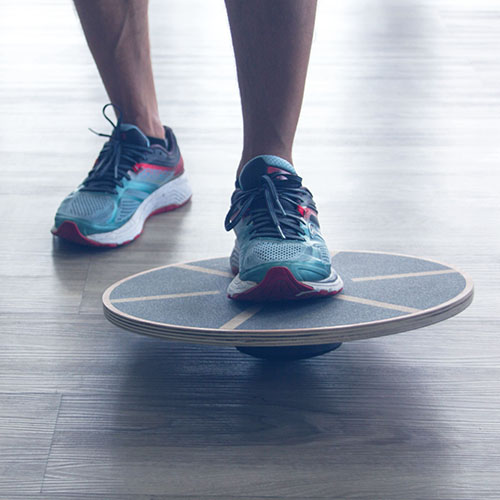
1. Improve Your Balance And Technique To Prevent Sore Muscles
High-level skiing and snowboarding require intense, heavy use of the foot and ankle. When it comes to improving your performance with your edging and balancing movements, you must be acutely aware that your foot and ankle are responsible for transferring your weight from the inside to the outside edge of the ski/snowboard and back.
This also includes sensing and adjusting your balance over the center of the skis or your snowboard. The efficiency of the foot and ankle as it tips from the big to little toe balances your “center of mass” (also known as your body weight) and decreases the stress put on your hip and thigh muscles.
This technique will improve the more you practice, but it is important to make sure that you are practicing the correct technique from the start or else your muscles may become overworked!
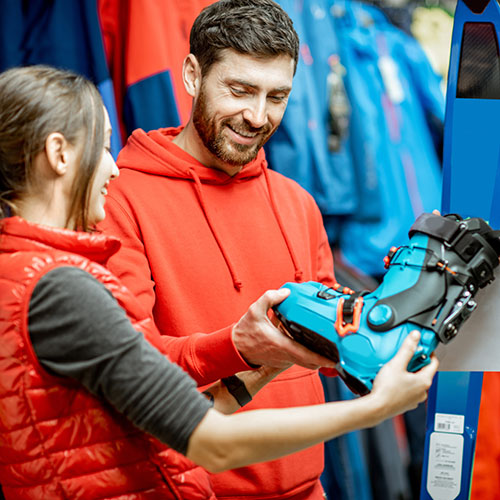
2. Wear Properly Fitting Ski/Snowboarding Boots
Balance, alignment, and the ability to articulate the ankle in your boots have profound effects on your performance and endurance. How your ski/snowboard boots fit is directly responsible for fine edge engagement and balance.
You shouldn’t wear ill-fitting shoes during your normal everyday activities, and the same is true when applied to sports. You must wear properly fitting boots when skiing and snowboarding if you want to decrease your risk of injury.
Even if the fit of your boot is only off by a small bit, it can change your performance by a lot! You may have to work harder to stay balanced and aligned, which can lead to overuse of the knee, hip, and trunk muscles. This can also lead to inefficient compensatory movements. If you are unsure about the correct fit of your ski or snowboard boots, our physical therapists at Breckenridge Physical Therapy would be happy to do an assessment for you.
3. Start Your Season Off Slow
Whether you’re a dedicated athlete or just starting out a new winter sport, it is always a good idea to start the season off slow and begin on a gentler terrain than is necessary. This means even if you’re a pro-athlete, you should start off a slope smaller than you think you need and work your way up.
This will help warm up the muscles you will need to use for the entire ski/snowboard season and get you used to the sport again. It can also help avoid unnecessary muscle strains or other painful injuries.
4. If You’re Feeling Tired, Take A Break
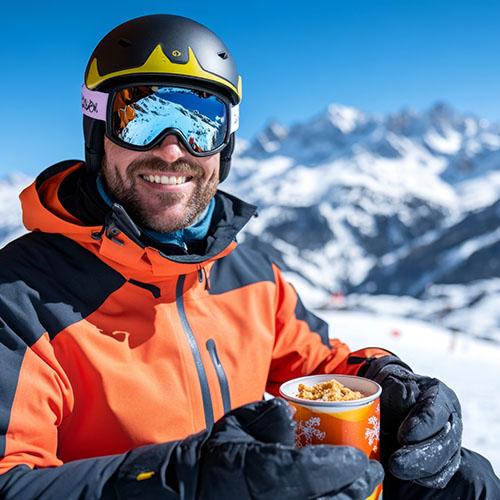
Feeling tired or achy? Listen to your body’s messages and take a break once you begin to feel fatigued – fighting through it can lead to unwanted injuries down the road.
A lack of muscle strength and physical conditioning may be a factor limiting your endurance and performance on the slopes.
Muscle fatigue in the thigh muscles (quadriceps) and buttocks muscles (gluteal) are common signs that it’s time to call it a day. If your leg and hip muscles become overly tired, it can also lead to some common skiing and snowboarding injuries.
If you are looking to increase your endurance and improve your skiing or snowboarding performance, contact Breckenridge Physical Therapy to get started on an athletic performance plan.
If you’ve sustained an injury from skiing or snowboarding, rest assured that this setback doesn’t have to keep you off the slopes for long.
Our skilled team of physical therapists at Breckenridge Physical Therapy can assess your injury and create a customized treatment plan that will have you back up on your feet and performing at your best in no time at all!

Feel Better by Eating Better!
Anti-Inflammatory Ginger & Turmeric Carrot Soup
This delicious ginger and turmeric carrot soup is as comforting as it is healing. Packed with strong flavors like garlic, fennel, and ginger, and full of anti-inflammatory ingredients, this is the perfect winter soup.
Directions: Heat the olive oil in a large dutch oven or saucepan. Add the fennel, leeks, carrots, and squash. Sauté for 3-5 minutes until the veggies start to soften. Add the garlic, ginger, turmeric, salt, and pepper, and sauté for a few more minutes. Add the broth and coconut milk. Bring the mixture to a boil, cover, and simmer for 20 minutes. Once the soup is cooked, add it to a blender and blend until creamy. You could also use an immersion blender. Taste and adjust the seasonings to your taste. Serve immediately with a dollop of coconut yogurt and enjoy!
https://www.simplyquinoa.com/anti-inflammatory-ginger-turmeric-carrot-soup
Ingredients
- 1 tablespoon olive oil
- 1 leek, cleaned and sliced
- 1 cup chopped fennel bulb (1 small head)
- 3 cups chopped carrots
- 1 cup chopped butternut squash (or more carrots)
- 2 garlic cloves, minced
- 1 tablespoon grated ginger (about a 2-inch piece)
- 1 tablespoon turmeric powder
- Salt & pepper to taste
- 3 cups low-sodium vegetable broth
- 1 can lite coconut milk (14.5 ounces)
Exercise of the Month
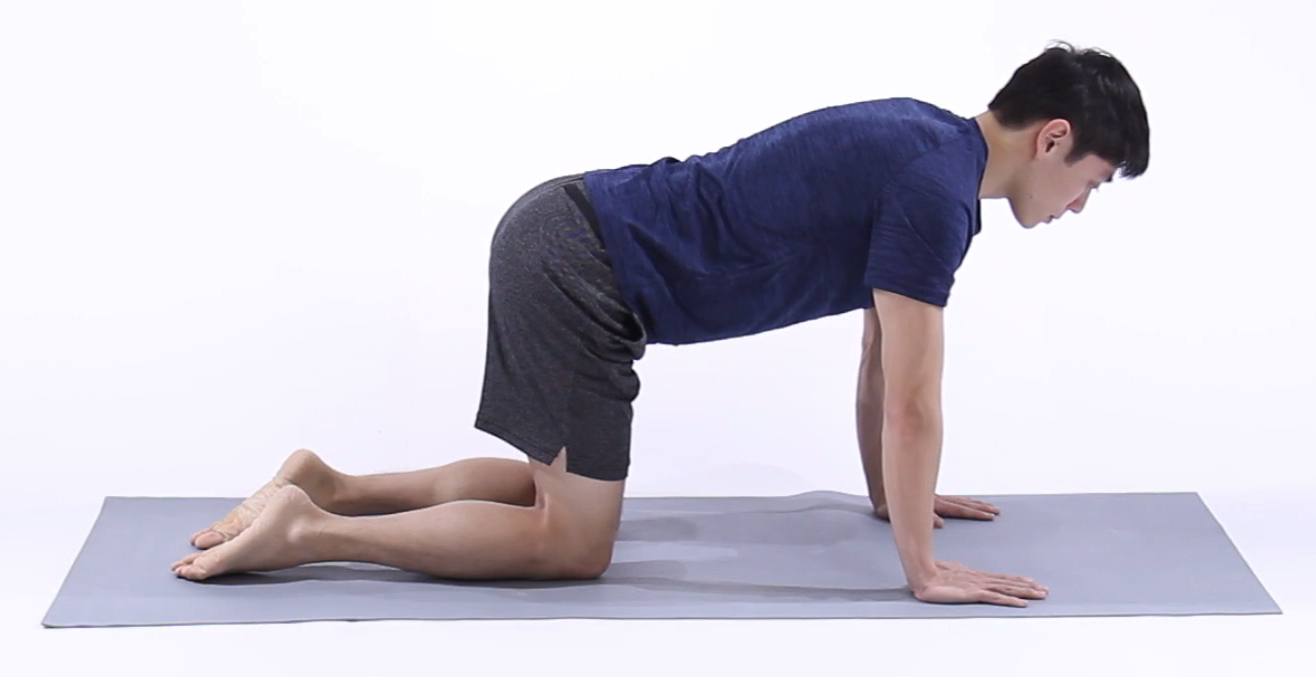
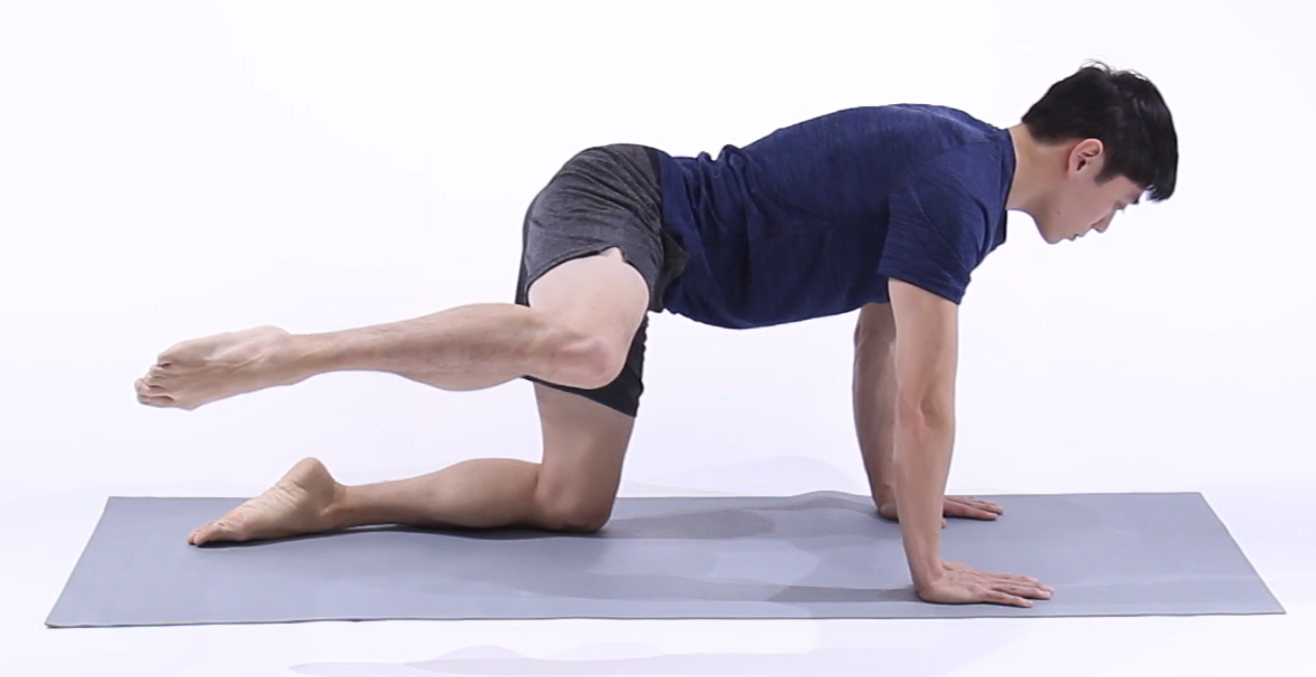
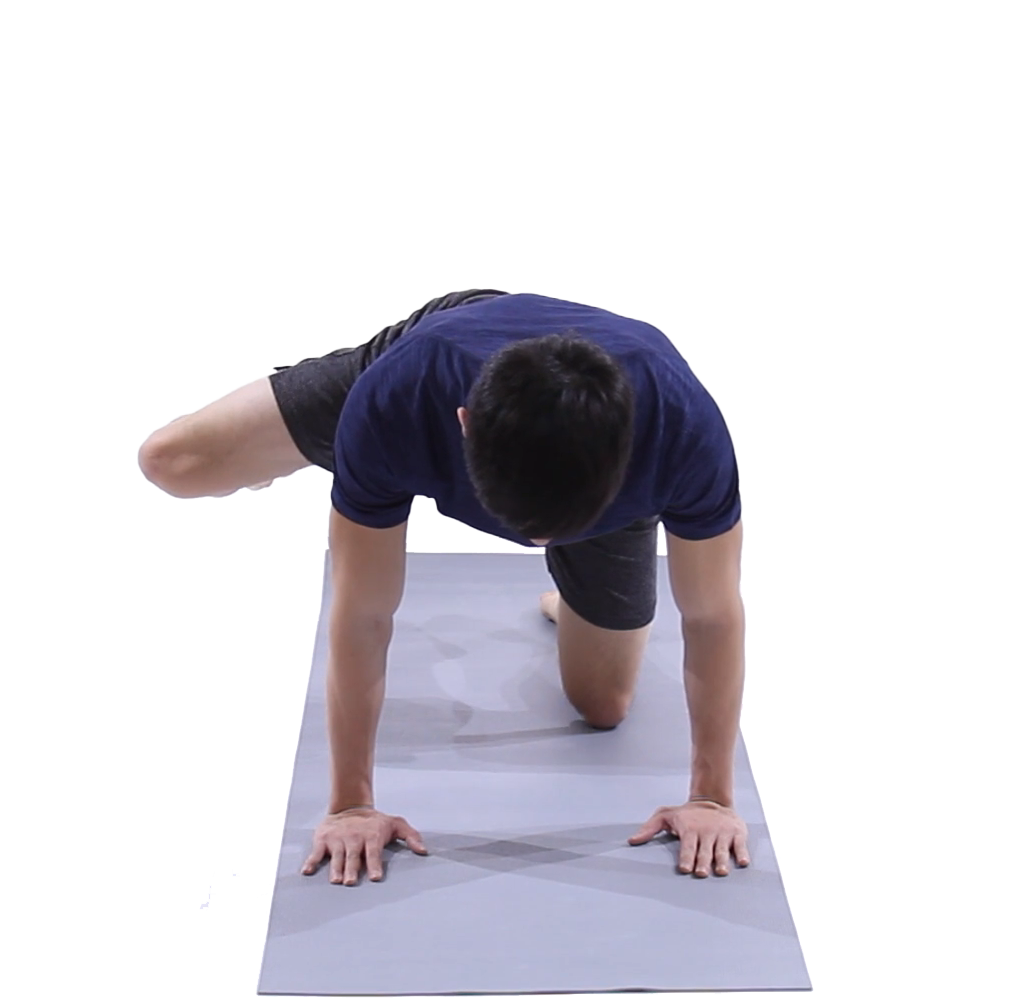
Hip Abduction (Quadruped)
Begin on all fours, with wrists directly under the shoulder and knees directly under the hips. Engage your abdominals and slowly lift one knee out to the side, keeping your knee in line with the hip. Hold as instructed, then bring your knee back down to the floor. Repeat 3 sets, 10 reps each.


Meet Our Team

Dr. Justin Welch
PT, DPT, C-PS

Dr. Ellie Allan
PT, DPT, C-PS

Dr. Alexander Kuck
PT, DPT, C-PS
Let’s Get You Better ASAP!
Don’t let pain dictate your life. Take the first step towards reclaiming your mobility and well-being with our expert support. Start your journey to a healthier you today.