

Custom Bike Fittings for Comfort, Performance, and Injury Prevention
A good bike ride can leave you feeling exhilarated. But if your ride also leaves you with numb hands or pain in your knees or back, then you might find yourself pulling away from regular cycling.
Here’s the thing, though: discomfort after a bike ride is often a problem with your bike’s setup, not your body. A custom bike fitting from the team at Breckenridge Physical Therapy utilizes our knowledge of biomechanics and injury prevention to help you ride stronger and make the most of your cycling sessions.

Our Patients Get Great Results
“Significant wear and tear from years of mountain sports among other things. Ellie has me back on track to be able to enjoy pain-free days whether it’s just work around the house, climbing or canoeing.” – J.R.
Why a Proper Bike Fit Matters
When you ride, your body and bike work together to propel you up hills and around bends. Even small misalignments can lead to repetitive stress and overuse injuries, such as patellofemoral pain, low back strain, or nerve compression issues.
A professional bike fit can help:
- Increase comfort on short and long rides
- Reduce knee, hip, neck, and back pain
- Improve pedaling efficiency and power output
- Decrease pressure on joints and soft tissues
- Prevent common cycling injuries
Why Choose a Physical Therapist for Bike Fitting?
When many people consider getting a bike fitting, their first thought is to head to a local bike shop. However, fittings at a bike shop tend to only focus on the bike. At Breckenridge Physical Therapy, our physical therapist also looks at the other piece of the puzzle: you.
As part of the fitting, we’ll evaluate your:
- Joint mobility
- Muscle strength and imbalances
- Movement patterns during pedaling
- Injury history and current symptoms
This information allows us to tailor the bike fitting to meet your unique needs, helping to prevent injury and improve overall performance.

Who Can Benefit from a Custom Bike Fit?
You don’t need to be an elite athlete to benefit from a custom bike fitting, as comfort and efficiency matter for every rider. This includes:
- Anyone experiencing discomfort on their bike
- Recreational cyclists
- Road and mountain bikers
- Endurance athletes
- Riders returning from injury
What to Expect During Your Bike Fitting at Breckenridge Physical Therapy
1. Movement Assessment: We’ll start with a full-body evaluation that looks at posture, mobility throughout your hips, hamstrings, and spine, and core stability and muscle control.
2. Bike Setup Analysis: Next, we’ll review your current bike setup, including:
- Saddle height and position
- Handlebar reach and height
- Cleat alignment
- Frame size and geometry
3. Dynamic Riding Assessment: Then we’ll look at how your body and bike work together. You’ll pedal while we observe your movements in real time to identify inefficient or stress-producing patterns. We’ll assess:
- Knee tracking
- Hip stability
- Spine and shoulder positioning
- Symmetry between the left and right sides of your body
4. Precision Adjustments: Based on all the previous assessments, we’ll make target changes to your bike setup, testing and refining them as needed. Adjustments might include:
- Saddle height to reduce knee strain
- Saddle fore/aft position to improve force transfer
- Handlebar position to reduce neck and back tension
- Cleat alignment to improve joint tracking
5. Corrective Exercise Guidance: In some cases, you might need a little extra support to address any pain or lingering injuries. Because you’re working with a physical therapist, we can also provide you with a plan to improve your overall strength and performance, helping you to make the most of your need bike setup. Exercises might include:
- Hip mobility drills to reduce strain on the knees
- Core strengthening to support posture
- Glute activation to improve power and control
We can also suggest ergonomic adjustments to how you sit on your bike, helping to lower the risk of numbness and discomfort after long or difficult rides.

Exercise Of The Month
Neck Glide
Stand tall with your shoulders relaxed and your head in a neutral position. Gently draw your head straight backward, keeping your chin level—like you’re trying to make a double chin. Avoid tilting your head up or down. Hold briefly, then return to the starting position.
3 Sets, 10 Reps.
Ride Stronger, Longer, and With Less Pain
Pain during or after cycling is common, but it’s not something you have to accept. A custom bike fitting can correct the root cause, improve your performance, and help you enjoy every ride. At Breckenridge Physical Therapy, you’ll receive expert guidance, individualized adjustments, and a plan that supports long-term results. Ready to feel better on your bike? Request your custom bike fitting today and take the next step toward more comfortable, confident riding!
Meet Our Team

Dr. Alexander Kuck
PT, DPT, C-PS
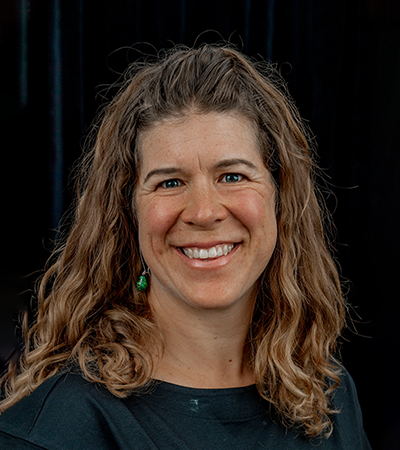
Dr. Ellie Allan
PT, DPT, C-PS
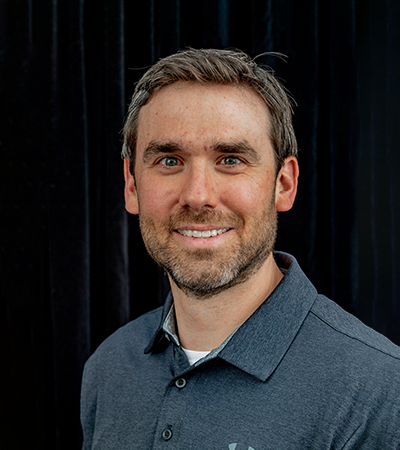
Dr. Justin Welch
PT, DPT, C-PS
Recipe of the Month: Broccoli Risotto
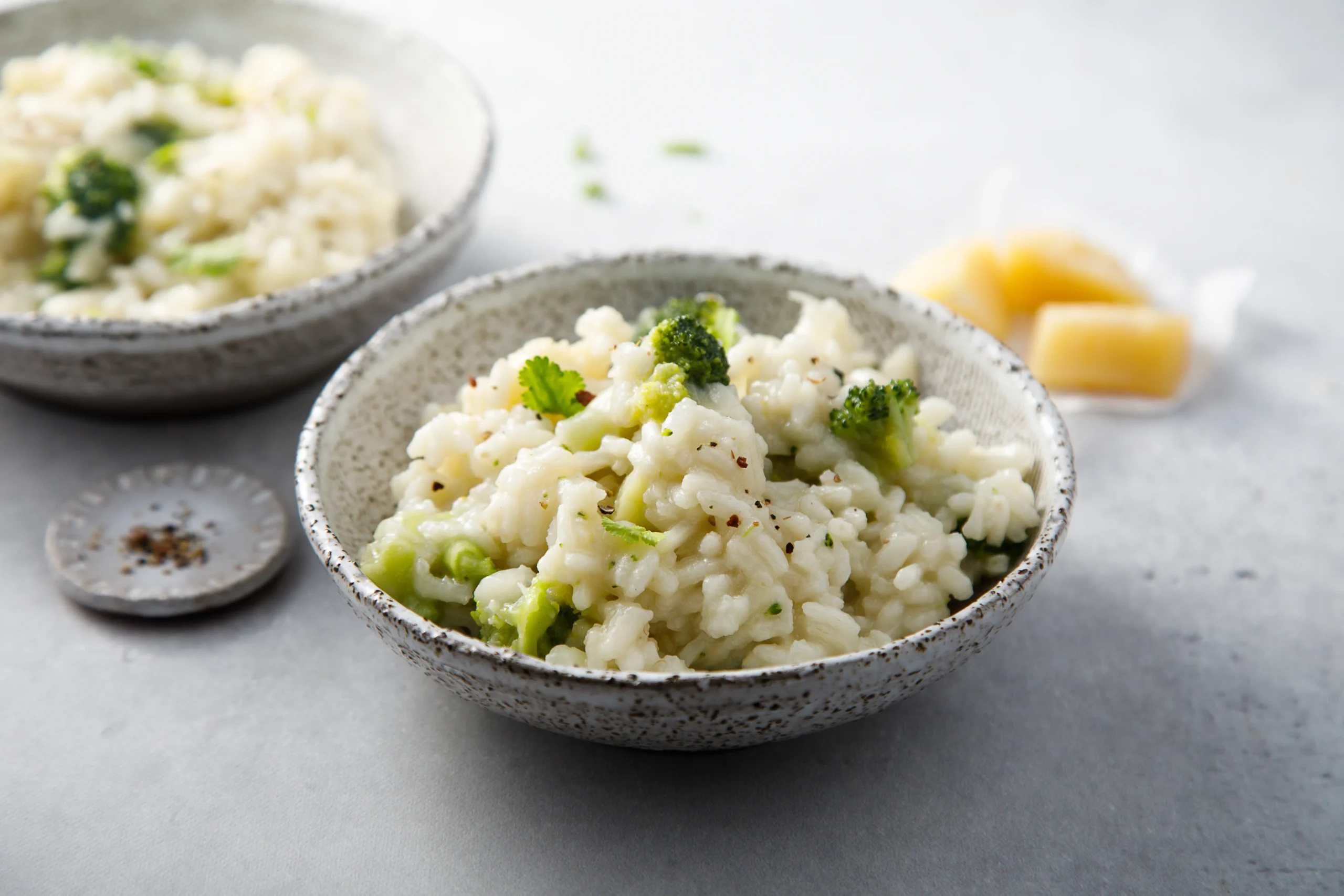
Ingredients:
- 2 tablespoons olive oil
- 3 tablespoons butter
- ½ large sweet onion, finely chopped
- 4 cloves garlic, chopped
- 1 ½ cups Arborio rice
- ½ cup dry white wine (such as Sauvignon Blanc)
- 2 tablespoons lemon juice
- 5 cups hot chicken broth
- 1 cup heavy cream
- 3 cups cooked broccoli florets
- 2 tablespoons chopped fresh chives
- 1 tablespoon grated Parmesan cheese
- 1 ½ tablespoons grated Asiago cheese
- salt and pepper to taste
Instructions:
- Gather all ingredients.
- Heat olive oil and butter in a large, heavy-bottomed saucepan over medium-high heat. Add onion and garlic; cook and stir until onion begins to turn golden brown at the edges, about 2 minutes.
- Pour in rice, and stir until rice is coated in oil and has started to toast, 3 to 4 minutes.
- Reduce heat to medium and stir in white wine and lemon juice. Cook and stir until wine has mostly evaporated, then stir in 1/3 of the chicken broth; continue stirring until incorporated.
- Repeat this process twice more, stirring constantly. Stirring in broth should take 15 to 20 minutes in all. Stir in cream and cook 5 minutes before stirring in broccoli, chives, Parmesan cheese, and Asiago cheese. Cook and stir until risotto is hot; season to taste with salt and pepper before serving.