



Find Neck Pain Relief With Physical Therapy
April 2025 Newsletter

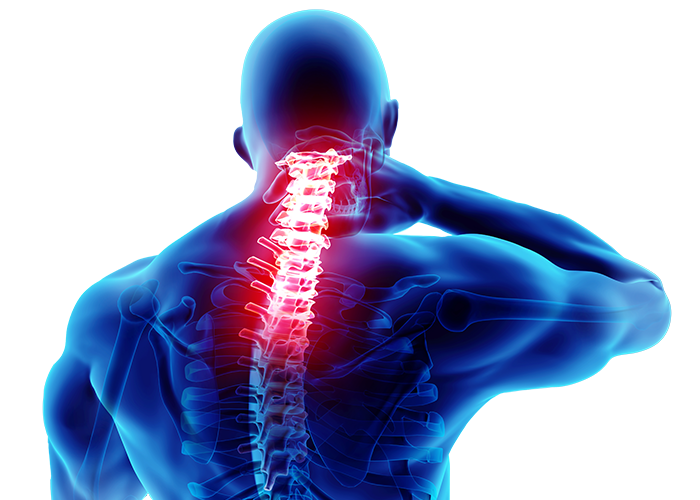
Neck pain — a discomfort that affects countless individuals, often striking at the most inconvenient moments. Whether you’re at work, pursuing your favorite hobbies, or simply trying to get a good night’s sleep, neck pain can be an unwelcome companion.
At Breckenridge Physical Therapy, our skilled therapists have a proven track record of assisting patients in resolving their neck pain. Our comprehensive treatments explore the common causes of neck pain, their risk factors, targeted techniques, and prevention strategies to ensure you resolve your pain and get back to doing what matters most!
Read on to learn how physical therapy can be a game-changer in finding relief from neck pain!
Understanding Neck Pain
Neck pain can happen for various reasons. It might be due to poor posture, muscle strain, or, in some cases, something more serious like a herniated disc. In other cases, an underlying medical condition can also lead to neck pain.
The neck is a complex part of our body, with bones, muscles, and nerves all working together. When something goes wrong in this delicate balance, it can result in pain and discomfort.
How Physical Therapy at Breckenridge Physical Therapy Can Help
Physical therapy is all about using exercises and techniques to improve movement and reduce pain. Here’s how it can work wonders for your neck pain:
1. Targeted Exercises
Our experienced therapists are experts at designing exercises that specifically target the muscles and structures causing your neck pain. These exercises are tailored to your needs, ensuring they are effective and safe.
2. Posture Correction
Many of us have less-than-ideal posture, especially when working on computers or looking down at our phones. Our skilled physical therapists will teach you how to maintain good posture, reducing the strain on your neck muscles.
3. Hands-on Techniques
Your therapist may use hands-on techniques like manual therapy techniques or gentle stretches to alleviate muscle tension and improve mobility in your neck joints.
4. Education and Self-care
Understanding how to take care of your neck is essential. Your therapist will provide valuable insights on ergonomics, lifestyle changes, and self-care practices to manage and prevent future neck pain.
Our team stays up-to-date on the most advanced treatments and will adjust your program as needed. We will give you the tools to resolve your current episode of pain so you can get back to doing what you love!
What to Expect During Physical Therapy
On your first visit, your physical therapist will conduct a thorough evaluation. They will ask about your medical history, assess your range of motion, and discuss your pain symptoms.
Once they have a clear picture, they will create a personalized plan for your recovery. This plan will include specific exercises and techniques tailored to your condition. You’ll work closely with your therapist, who will monitor your progress and adjust as needed.
Here are some of the benefits you can expect from physical therapy for neck pain:
Pain Relief
The primary goal of physical therapy is to reduce your pain and discomfort. With targeted exercises and techniques, many people experience significant relief.
Improved Mobility
You’ll likely notice improved neck mobility as you progress through your therapy. This means you can turn your head more easily and without pain.
Better Quality of Life
Neck pain can limit your daily activities. Physical therapy can help you regain your ability to do things you love, like gardening, playing sports, or even just enjoying a pain-free night’s sleep.
Preventing Recurrence
Our physical therapists don’t just treat the symptoms; they also work on preventing future episodes of neck pain. By learning better habits and exercises, you can reduce the chances of neck pain returning.
If you’ve been dealing with neck pain, physical therapy might be the solution you’ve been looking for. Reach out to our physical therapists and work towards a pain-free future.
Take the First Step Towards Neck Pain Relief — Schedule Your Consultation Today!
At Breckenridge Physical Therapy, we understand that neck pain can affect individuals from all walks of life. If you’re dealing with neck pain or want to prevent it from interrupting your life, reach out to us today, and let us help you create your own success story!

Patient
Success Story
“I cannot express my appreciation enough for the kind staff at Breckenridge PT (Vail-Summit PT). While visiting from out of town, I was able to get an expedited appointment which fit my busy schedule and received excellent treatment. Olivia Lent, PT DPT, ATC was phenomenal. She was able to pin-point my issue and did not hesitate to take aggressive action to right my problems. She was thorough and compassionate about her care. Thank you all again for the excellent services and I wish you all the best!”
—Jody G.


McKenzie Method for Treating Neck Pain
Are you tired of dealing with persistent neck pain? The McKenzie Method could be your ticket to relief. This innovative approach to neck pain treatment focuses on education, exercises, and posture correction, aiming to reduce pain, and prevent future discomfort. Let’s look closer at how the McKenzie Method can provide the relief you’ve been seeking.

Reducing Pain and Enhancing Functionality
The core principle of the McKenzie Method is to empower individuals with the knowledge and tools to manage their neck pain effectively.
Your journey with the McKenzie Method begins with a thorough assessment by one of our trained therapists. This assessment helps categorize your condition and allows your therapist to recommend tailored neck exercises.
Additionally, we’ll provide guidance on which postures to adopt and which to avoid. These exercises not only address your current symptoms but also work to prevent future recurrences.

Focused on Relief
One distinctive feature of the McKenzie Method is its emphasis on movements and positions that provide immediate and lasting relief.
Your therapist will identify which specific movements and postures alleviate your neck pain and incorporate them into your treatment plan.
Equally important is recognizing and modifying movements or positions that worsen your condition. With the McKenzie Method, you can actively participate in your own recovery by doing what helps and avoiding what hurts!

Contact Breckenridge Physical Therapy Today to Get Started
Say goodbye to persistent neck pain and hello to a life with reduced discomfort and improved function. Don’t hesitate – consult with one of our McKenzie therapists and start your path to a pain-free future today!

Feel Better by Eating Better!
Juicy Baked Chicken Breast
- 4 (7 to 8 oz) boneless, skinless chicken breasts
- 2 tsp olive oil
- 1 tbsp chili powder
- 1 tsp parsley flakes
- 1/2 tsp salt
- 1/2 tsp black pepper
- 1/2 tsp garlic powder
- 1/2 tsp onion powder
- 1/2 tsp cumin
Pre heat oven to 425 degrees F. Line a baking sheet with foil and spray with non-stick spray. Place the chicken breasts between two sheets of parchment paper and pound to an even thickness. Drizzle both sides of chicken with olive oil. Combine seasonings and sprinkle generously over both sides of the chicken breasts. Bake for 20 minutes. Remove from oven and cover loosely with foil for 5 minutes before slicing.
Exercise of the Month
Sitting Cervical Side-Bending Right with Overpressure
Start by sitting upright in a chair with your lower back supported. Tuck in the chin to straighten the neck. Place your right hand over the top of your head, with fingers pointed towards the ear. Keep your left hand on the back of the neck as support. Bend your neck to the right, allowing your right hand to assist you in going deeper into the motion. Hold for 3 seconds.
If you are not sure about how to do this exercise, please consult with your physical therapist before starting.


Meet Our Team

Dr. Justin Welch
PT, DPT, C-PS

Dr. Ellie Allan
PT, DPT, C-PS

Dr. Alexander Kuck
PT, DPT, C-PS
Let’s Get You Better ASAP!
Don’t let pain dictate your life. Take the first step towards reclaiming your mobility and well-being with our expert support. Start your journey to a healthier you today.