

Make A Strong Rotator Cuff Recovery with Physical Therapy
Don’t Skip Your Physical Therapy Appointments After A Rotator Cuff Injury – Here’s Why!
It is estimated that as many as 2 million adults are diagnosed with rotator cuff injuries every year in the United States. Up to 80% of those patients initially choose non-surgical treatments, like physical therapy, to repair and recover from the injury rather than undergoing a surgical procedure. Research suggests that approximately 90% of patients have positive outcomes and improved function with physical therapy, especially when the rotator cuff injury is identified and treated early.
The decision for surgical repair is typically based on factors such as the severity of the injury, the patient’s age and activity level, and their response to non-surgical treatments. Fortunately, physical therapy can help you prepare for surgery, promote healing, and improve your recovery, whether you have surgery or not.
Whether you need surgery or not, recover stronger than ever with physical therapy for rotator cuff injuries.

What is a Rotator Cuff Injury?
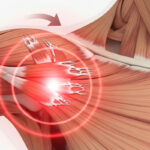
The rotator cuff is a group of muscles and tendons surrounding the shoulder joint that plays a significant role in the movement and stability of the joint. The muscles work together to stabilize the shoulder joint and facilitate various movements, such as lifting and rotating the arm.
Rotator cuff injuries can occur due to a variety of causes:
- Repetitive overhead motions
- Sudden trauma or injury
- Degeneration due to aging

Our Patients Get Great Results
“I have been going to Ellie at Breck PT for four months, and it has made a big difference in my life! My issue(s) were based on chronic pain and past injuries, not a new catastrophic incident. I wasn’t sure what to expect or what gains to realize. My therapist set me on the right path immediately while continuing to understand my situation holistically. I now feel equipped with a plan and I am stronger already. When I arrived, I wondered if my future was limited to reduced activities and more pain. Today I am optimistic about the adventures and pursuits that lie ahead.”
– A.F.
Physical Therapy Before and After Rotator Cuff Repair Surgery
Considering rotator cuff surgery? Physical therapy can be your secret weapon for a smoother journey before and after the procedure.
Pre-Surgery Advantage:
- Go into surgery stronger: Build muscle strength and control around your shoulder for better support during healing.
- Reduce pain and restore motion: Physical therapists can use manual therapy techniques to minimize discomfort and improve range of motion.
- Recover faster: Stronger muscles translate to a quicker recovery and regaining full shoulder function.
- Prepare mentally: Understand what to expect post-surgery and gain strategies to optimize your recovery, boosting your confidence.
Post-Surgery Benefits:
- Manage pain effectively: Our therapists use a variety of manual techniques and modalities to keep pain at bay.
- Regain lost motion: Our team will help stretch and loosen any restrictions to restore your shoulder’s range of motion.
- Rebuild strength: Regain the strength you lost in your rotator cuff and supporting muscles.
- Return to your life: Physical therapy’s ultimate goal is to help you use your shoulder fully again, allowing you to perform daily activities without limitations.
- Prevent future injuries: Learn exercises to maintain strength and flexibility in your shoulder, reducing the risk of re-injury.
By incorporating physical therapy at Breckenridge Physical Therapy before and after surgery, you’re setting yourself up for a successful rotator cuff surgery experience!
Exercise of the Month: Bent Over Rows
Hold a weight in your hand. Slightly bend your knees and bend at your waist to bring your torso forward. Make sure your back remains flat and about parallel to the floor. Pull the weight towards you. Make sure your elbows stay close to your body. Slowly return to starting position. 3 Sets, 10 Reps. (Materials needed: dumbbells)
Expectations from Physical Therapy for Rotator Cuff Rehabilitation
Whether you opt for surgery or not, physical therapy is often the primary approach for rotator cuff injury rehabilitation. Physical therapy sessions may include a combination of techniques to alleviate symptoms and promote healing.
- Functional movements to restore normal use of the shoulder
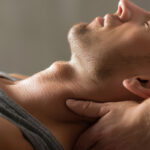
- Manual therapy to reduce pain and help improve blood flow
- Stretching to improve/restore shoulder range of motion
- Strengthening exercises to build the muscles in and around the shoulder joint and shoulder blades
Personalized Treatment with Breckenridge Physical Therapy
We begin every program with a detailed assessment of your health history and existing condition. Next, we conduct a comprehensive physical examination, including range of motion and strength testing. We’ll discuss your questions and concerns and set achievable goals for your recovery. You can expect a comprehensive therapy that includes:
- Emphasizing the importance of consistency with exercises to perform at home between sessions to maintain progress.
- Providing guidance on proper mechanics, posture, and techniques for activities involving the shoulder to prevent future injuries or re-injury of the rotator cuff.
- Preparing for a gradual reintroduction of activities and sports after recovery.
- Highlighting the significance of long-term maintenance through periodic check-ins, continued home exercises, and continuing a healthy lifestyle to maintain the strength and function of the rotator cuff.
A strong rotator cuff recovery with physical therapy involves a comprehensive approach that addresses pre and post-surgery needs or non-surgical treatment. With the guidance of our skilled physical therapists and your commitment to the rehabilitation process, you can regain shoulder function, mobility, and quality of life.
Early preparation and treatment are the keys to success, so give us a call today to schedule a consultation.
Meet Our Team

Dr. Alexander Kuck
PT, DPT, C-PS

Dr. Ellie Allan
PT, DPT, C-PS

Dr. Justin Welch
PT, DPT, C-PS
Recipe of the Month: Egg Roll in a Bowl

Ingredients:
- 1 lb ground turkey or chicken
- ¼ cup yellow onion, chopped
- 3 cloves garlic, minced
- 2 teaspoons fresh ginger, grated or minced
- 1 12-14 oz package coleslaw mix
- ¼ cup low-sodium soy sauce, tamari or coconut aminos
- 2 teaspoons toasted sesame oil
- 1-2 teaspoons sriracha or sambal oelek
- 2 green onions, sliced
- sriracha, for serving (optional)
- sesame seeds and chopped cilantro, for garnish
- cooked cauliflower rice, for serving (optional)
Instructions:
- Heat a large skillet over medium-high heat. Add ground meat and cook until no longer pink, about 5-6 minutes. While cooking, break meat into smaller pieces using a wooden spoon or spatula and season liberally with salt and pepper.
- Add onion, garlic, ginger, coleslaw mix, soy sauce, sesame oil and sriracha to the skillet. Cook for another 5 minutes or so, until cabbage is tender. Taste and add more soy sauce or sriracha, if needed.
- Portion mixture into bowls and top with green onions, sesame seeds and cilantro. Serve with additional soy sauce, sriracha or chili crisp, if desired.

The Importance of Home Exercises for Recovery
Home exercises prescribed by your physical therapist play a crucial role in the recovery process for various musculoskeletal injuries and conditions. Studies show that consistent adherence to home exercise programs significantly improves functional outcomes and reduces the risk of re-injury.
With rotator cuff injuries, patients who diligently followed their prescribed home exercise regimen experienced better shoulder function and decreased pain levels compared to those who were less compliant.
Positive mental health is a big part of a successful recovery. Active participation in home exercises can provide patients with a sense of empowerment and ownership over their recovery journey. When patients take an active role in their rehabilitation, it fosters a positive mindset and motivation towards achieving their goals.
Our PTs will educate you on the proper technique for each prescribed exercise so you can optimize your recovery without missing a beat.
We’ve Got Your Back
In short, a HEP is a small way to make big changes! And if you think you might benefit from a personalized HEP, call us to schedule a consultation.