


TURN AWAY FROM BACK PAIN
TIPS TO ALLEVIATE YOUR PAIN AND IMPROVE YOUR SPINE
Are you tired of that nagging back pain that keeps you from enjoying life to the fullest? You’re in luck because we are here to guide you to a healthier spine! With a few little steps and our expert guidance, you will soon be on your way to a life where back pain is a thing of the past.
Your journey to a healthier spine is a collaborative effort. At Breckenridge Physical Therapy, we believe in working closely with you, listening to your concerns, and understanding your goals. After all, who knows your body better than you do? Together, we can work to ensure a future free of back pain.
Sometimes, the discomfort in your back may seem like a constant companion, refusing to part ways with you. Fortunately, with the right guidance and effort, you can find a way to alleviate your pain. So, let’s take the first step on this promising journey together!
Understanding the Root Causes of Back Pain
The first step to saying goodbye to back pain is understanding what causes it. It might be due to a sedentary lifestyle, an old injury, or even just daily wear and tear. No matter the reason, understanding the root causes is your key to finding the solution.
The most common causes of back pain that our physical therapists frequently treat include the following:
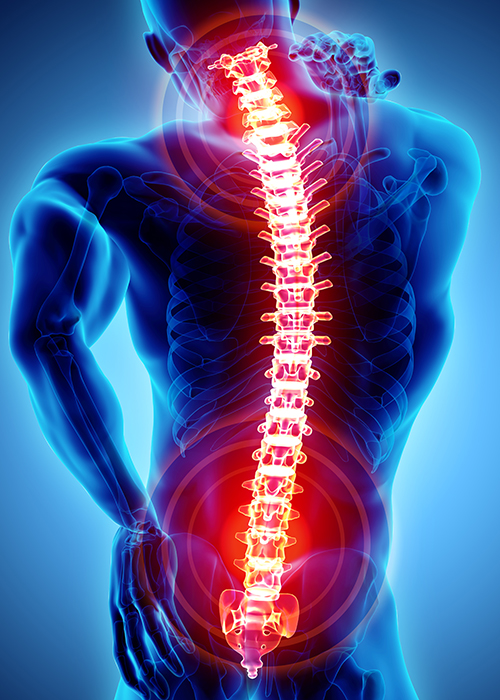
- Muscle Strain or Ligament Sprain: Repeated heavy lifting or sudden awkward movements can strain the muscles and spinal ligaments. If you’re in poor physical condition, constant strain on your back can cause painful muscle spasms.
- Bulging or Ruptured Discs: Discs, the cushioning between your bones, can bulge or herniate and press on a nerve.
- Degenerative Disc Disease: As we age, the discs between the vertebrae deteriorate, which can cause pain, especially if one disc is worn down significantly.
- Spinal Stenosis: This condition results from the narrowing of the spinal canal, putting pressure on the nerves and causing back pain.
- Fibromyalgia: Fibromyalgia is a chronic pain syndrome that causes muscle stiffness and fatigue, including back pain.
Remember, it is always advised to consult with our physical therapist for personalized advice. We’ll work with you to identify the exact cause of your back pain and suggest appropriate treatments to ensure you get the results you deserve!
Simple Yet Effective Strategies: Your Road to a Healthy Spine Tailored Treatment Plan
At the beginning of your healing journey, you’ll meet with one of our physical therapists who are like detectives for your body. They’ll chat with you, learn about your pain, and do a thorough physical examination to determine what’s causing your back troubles.
Once they’ve gathered all the clues, they craft a personalized treatment plan just for you! This isn’t a one-size-fits-all deal; it’s tailored to suit your unique needs, helping you bounce back quicker and stronger and includes the following:
- Manual Therapy: Your therapist uses their hands to gently massage and mobilize your back, easing those tight muscles and helping you relax.
- Mobility Work: Your therapist will guide you through movements that help increase the mobility of your back.
- Targeted Stretches: Your therapist will show you the right ways to stretch, helping you loosen up those stiff areas and feel great.
- Strengthening Exercises: With a series of strengthening exercises, your therapist will teach you how to build a strong, resilient back to handle the stresses of your day-to-day life.
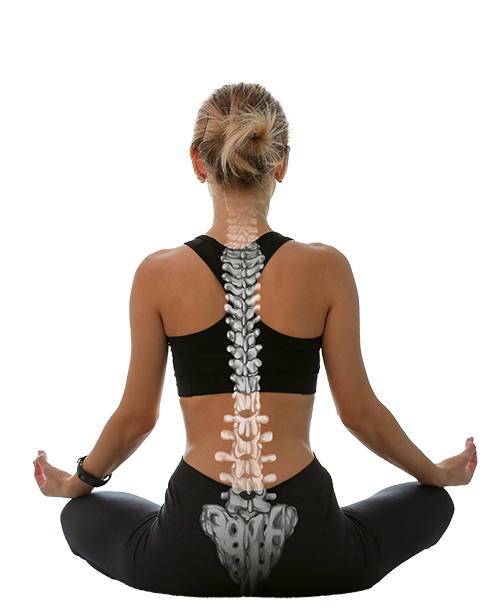
Remember, your therapists at Breckenridge Physical Therapy are there with you at every step, cheering you on, answering your questions, and tweaking your plan to ensure you get the best results.
So, are you ready to wave goodbye to back pain and usher in a life of comfort and joy? Request your appointment today!
Patient
Success Story
“I have been using Breckenridge Physical Therapy (as needed for chronic back issues) for many years now. Very personable staff. Justin takes a lot of time to find out what is going on to specifically tailor the sessions to my needs. I love his techniques. The “homework” exercises he has given me for my back to do at home between sessions are extremely helpful. He took my pain from an 8 or 9 for the last six months (before I went in to see him), to a 2 in just two sessions. Highly recommend.”
— Ellen T.

Common Sports Injuries: A Guide to Physical Therapy Treatments

Playing sports is a great way to stay active and challenge yourself both physically and mentally. Unfortunately, there’s no way around it: playing sports also comes with the risk of injuries. But did you know about physical therapy for sports injuries? It offers effective solutions to help you recover quickly and get back to your favorite activities.
Sports injuries can happen to anyone, whether you’re a professional athlete or a weekend warrior. From sprained ankles to pulled muscles, these injuries can land you on the sidelines and disrupt your training routine.
Physical therapy at Breckenridge Physical Therapy is essential in treating these injuries. We offer targeted, personalized rehabilitation programs that will help you recover from one injury while helping to prevent another one in the future. Through a combination of manual therapy, mobility work, strength training, and more, physical therapy for sports injuries will help restore your function and improve your overall performance.
Today, we want to explore some of the more common sports injuries and what physical therapy can do to treat them. By learning the signs and symptoms of these conditions, you can seek treatment with Breckenridge Physical Therapy as soon as possible, helping get you back in the game much earlier.
Sprained Ankle: One of the Most Common Sports Injuries
Ankle sprains are among the most prevalent sports injuries. They occur when you force your ankle too far out of its normal range of motion (such as during a fall), damaging the ligaments in your ankle joint. A mild ankle sprain might cause slight pain that fades after a few days. More severe ankle sprains can cause more intense pain, swelling, and instability.
If you suffer a sprained ankle — even a mild one — it’s a good idea to visit our physical therapists. Spraining your ankle once makes you much more likely to sprain it again. Rehabilitating with one of our experts can help reduce that likelihood through targeted exercises to strengthen and stabilize your ankle.
Runner’s Knee: This Sports Injury Doesn’t Just Affect Runners!
As the name might suggest, this condition is common among runners, although it can affect anyone who jumps into an intense new training routine. It occurs when the cartilage under the kneecap becomes irritated, causing a dull, aching pain around the front of the knee, particularly when going up or down stairs, squatting, or sitting with bent knees for extended periods.
Physical therapy for runner’s knee focuses on alleviating pain and addressing the underlying causes of the condition — whether that’s an awkward running gait, muscular weaknesses in the leg, or something else. We’ll develop a personalized treatment program emphasizing targeted strengthening exercises and activity modifications. We can also help address acute pain through manual therapy or pain-relieving modalities.
Rotator Cuff Sports Injuries: Why Physical Therapy is Essential
The rotator cuff comprises four muscles and their tendons that stabilize the shoulder joint and help you perform various shoulder movements. Injury to any part of the rotator cuff can lead to a dull ache deep in the shoulder, shoulder and arm weakness, and difficulty lifting the arm or performing specific movements.
Rotator cuff injuries are especially prevalent in athletes who perform repetitive overhead motions, such as baseball players, tennis players, and swimmers. Many rotator cuff injuries are overuse injuries, which develop gradually over time. However, you can also damage your rotator cuff through an acute injury, like a fall.
Treatment for a rotator will vary based on the severity of your injury. However, with mild to moderate injuries, physical therapy alone is generally enough to get you back in the game. If you do need to undergo a rotator cuff repair surgery, we’re here to rehabilitate you afterward. We’ll use manual therapy, therapeutic exercise, and functional training to address your injury.
Suffered A Sports Injury? Don’t Skip on Physical Therapy
Ankle sprains, runner’s knee, and rotator cuff injuries aren’t the only ways athletes can injure themselves. Shin splints, muscle strains, Achilles tendinitis, and overuse injuries like tennis elbow or swimmer’s shoulder can cause significant pain and disability. And all can be addressed with physical therapy for sports injuries!
At Breckenridge Physical Therapy, our team has extensive experience working with athletes and active people. We know you don’t want to give up your training and sports schedule — but it’s important to address even minor injuries before they bloom into something worse.
If you suspect you’ve suffered a sports injury, schedule an appointment at Breckenridge Physical Therapy today to begin treatment.

Feel Better by Eating Better!
Acai Smoothie Bowl
This quick and easy acai bowl recipe is a thick smoothie that’s served in a bowl and finished with a fun and colorful variety of toppings. The perfect healthier option for breakfast, lunch or snack time.
Ingredients:
- 1 cup of apple juice
- 1 large banana sliced
- 1 1/2 cups of frozen berries
- 1/2 cup vanilla Greek yogurt
- 1 tablespoon honey
- 1 frozen packet of acai berry puree (100 grams)
- Assorted toppings such as sliced almonds, berries, shredded coconut, granola, chia seeds, sliced banana, mint sprigs, etc.
Directions:
Place the apple juice, banana, frozen berries, yogurt, honey and acai puree in the blender. Blend until thoroughly combined and smooth. Pour the smoothie into 2 deep bowls. Arrange the desired toppings over your smoothie bowls and serve.
https://www.dinneratthezoo.com/acai-bowl-recipe/
Exercise of the Month
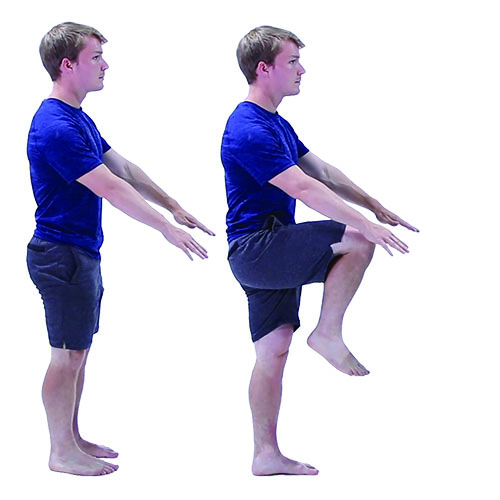
Standing March
Start by standing up straight (place both hands on the back of a chair for support if needed). Slowly lift one knee up towards the ceiling until it reaches hip height and then lower it back down. Do the same with the other leg keeping the abdominals contracted the whole time. Repeat exercise 10 times.

Meet Our Team
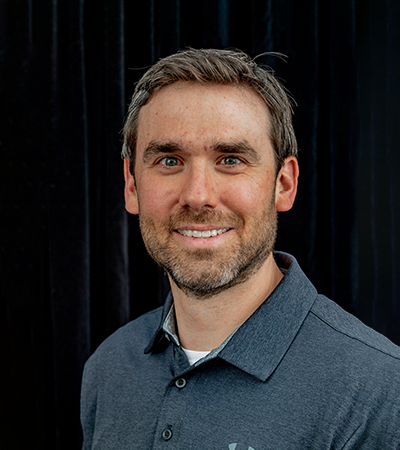
Dr. Justin Welch
PT, DPT, C-PS

Dr. Ellie Allan
PT, DPT, C-PS

Dr. Alexander Kuck
PT, DPT, C-PS
Let’s Get You Better ASAP!
Don’t let pain dictate your life. Take the first step towards reclaiming your mobility and well-being with our expert support. Start your journey to a healthier you today.